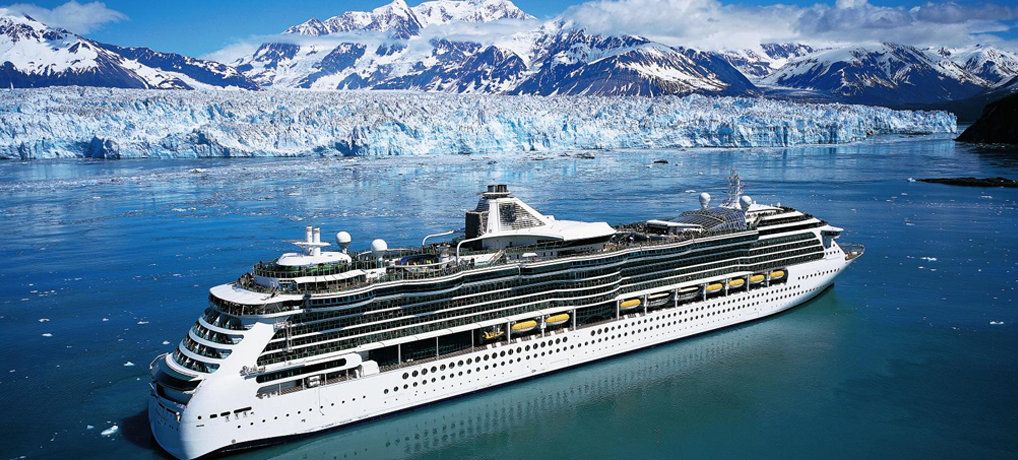
Glacier Bay National Park and Preserve, in southeastern Alaska, protects 3.3 million acres of fjords, tidewater glaciers, and temperate rainforest, and is designated a UNESCO World Heritage Site. It’s one of the few places on Earth where you can watch glaciers actively calving into the sea.
Getting There
Glacier Bay has no road connection to the rest of Alaska. Most visitors arrive by cruise ship, since many Inside Passage itineraries include a day sailing through the bay, or by small plane or ferry to the community of Gustavus, about a 10-minute drive from the park’s Bartlett Cove visitor area. There’s no entrance fee, but overnight backcountry camping and private boating in the bay require a free permit from the park’s Visitor Information Station.
What to See and Do
Tour boats from Bartlett Cove run up-bay to the tidewater glaciers (including Margerie and Grand Pacific Glaciers) and are the most common way for independent (non-cruise) travelers to see the park’s glacial scenery. Sea kayaking is popular for a quieter, closer look at the shoreline, with rentals and guided trips available in Gustavus. A short network of hiking trails near Bartlett Cove winds through rainforest and along the shore for those not venturing further into the bay.
Wildlife
Humpback whales, sea otters, harbor seals, and porpoises are commonly spotted in the bay’s waters, while bald eagles and a range of seabirds nest along the cliffs. The park is also the traditional homeland of the Huna Tlingit people, whose clan house at Bartlett Cove is open to visitors.
When to Go
The park’s visitor services, lodge, and boat tours operate seasonally from roughly late May through early September. Outside that window, Gustavus and the park are accessible only with significant self-sufficiency, as most facilities close for the winter.