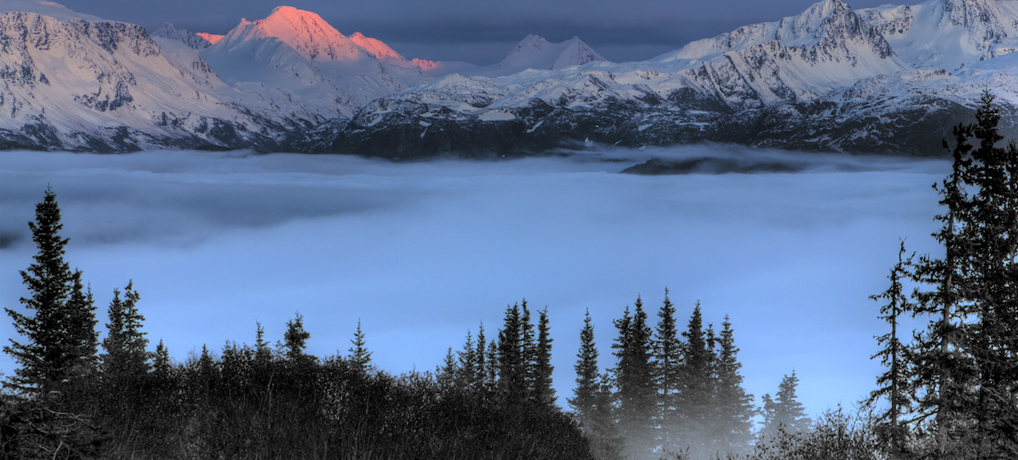
Anaktuvuk Pass is a remote Iñupiat village of roughly 300 residents, located in a wide mountain pass in the central Brooks Range, about 250 miles north of the Arctic Circle. It sits in a natural corridor surrounded by Gates of the Arctic National Park and Preserve, one of the least-visited national parks in the country, though the village itself sits on separate Native-owned land excluded from the park’s boundaries.
Getting there: There are no roads connecting Anaktuvuk Pass to the rest of Alaska. The only way in or out is by small bush plane, typically on a scheduled or chartered flight from Fairbanks. Flights are weather-dependent, and the pass can experience sudden fog, wind, and whiteout conditions, so it’s worth building a spare day or two into your itinerary in case of delays. There’s no lodging infrastructure comparable to elsewhere in Alaska, so visitors should arrange accommodations, meals, and any guiding well in advance, either through a local contact, an air-taxi operator that also books village stays, or by planning a fully self-supported backcountry trip coordinated with the National Park Service.
Who lives here: Anaktuvuk Pass is home to the Nunamiut, an inland Iñupiat people who were among the last nomadic Alaska Native groups to establish a permanent settlement, doing so in the late 1940s after generations spent following caribou herds through the Brooks Range. Many residents still hunt, fish, and process caribou using traditional methods passed down through generations, and subsistence activities remain part of daily life rather than something staged for visitors.
What to see and do: The Simon Paneak Memorial Museum, named for a respected Nunamiut elder, houses exhibits on traditional clothing, tools, and the caribou-skin mask-making tradition the village is known for, and it’s usually the best starting point for understanding local culture and history. Outside the village, hikers can access the surrounding tundra and peaks of the Brooks Range directly, though this is genuine backcountry travel with no marked trails, cell coverage, or rescue infrastructure, so it suits experienced wilderness travelers or those hiring a local guide.
When to go: The Western Arctic caribou herd migrates through the area twice a year, and sightings, weather and herd movements permitting, are one of the main draws for visitors alongside the scenery itself. Summer (June through August) offers the most reliable flying weather and milder daytime temperatures, while winter brings extreme cold and short daylight hours but also a real chance of seeing the aurora, along with much greater logistical difficulty.
Good to know before you go: Anaktuvuk Pass is a dry village, meaning the sale, importation, and possession of alcohol is prohibited and strictly enforced. There’s no ATM in the village, so bring cash for any purchases, and cell service is limited to nonexistent, so let someone outside the village know your travel plans. Because the community is small and subsistence-based, visitors should be respectful of private property, ask before photographing residents, and approach a visit as a chance to learn from the Nunamiut rather than as a typical tourist stop.
A trip to Anaktuvuk Pass isn’t a quick add-on to a standard Alaska itinerary. It takes planning, flexibility around weather, and a willingness to travel well off the beaten path, but for travelers interested in Arctic wilderness and one of Alaska’s most distinct living cultures, it offers an experience few other places in the state can match.