Alaska has a reputation for being expensive, and for good reason: distances are long, most goods travel a long way to get there, and much of the state is only reachable by plane, ferry, or boat. Costs vary enormously depending on how you travel, though, so a rough budget trip and a cruise-and-lodge trip can look very different.
Transportation Costs
Flights into Anchorage or Fairbanks from the Lower 48 typically run a few hundred dollars round-trip, though prices climb in the busy summer months. Once in Alaska, a rental car is the most flexible way to see the road-connected parts of the state, with rates often higher than average due to short summer demand. Getting to communities off the road system, such as Juneau, Sitka, or Kodiak, means either a flight or a ticket on the Alaska Marine Highway ferry, which is usually cheaper than flying but takes much longer.
Lodging
Hotels and lodges in popular areas like Anchorage, Denali, and the Kenai Peninsula can run well over 200 dollars a night in peak summer season, with prices dropping in shoulder season and rising further for remote lodges that include meals and activities. Camping, whether in a tent or an RV, is a major cost-saver, and Alaska has extensive public campgrounds in state and national parks. Smaller bed-and-breakfasts in towns like Talkeetna, Homer, and Seward often undercut big hotel chains while offering a more local experience.
Tours and Activities
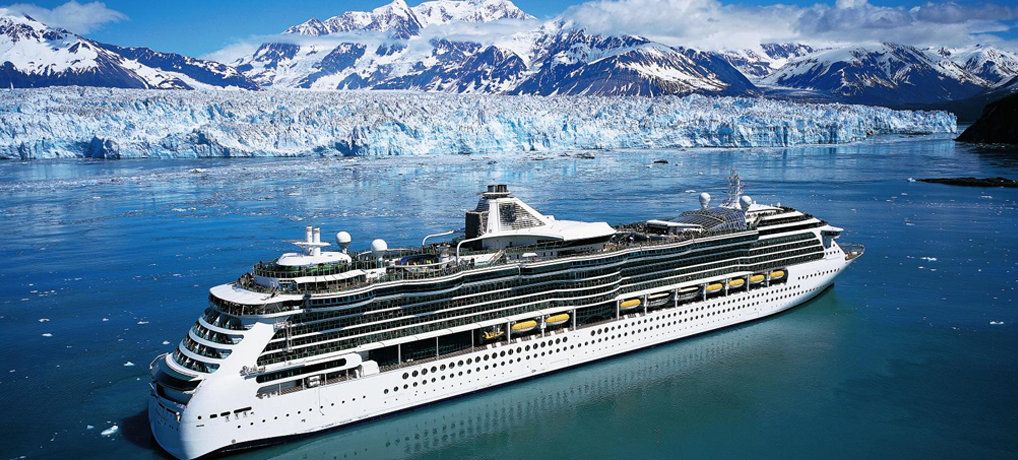
Glacier and wildlife cruises, flightseeing over Denali, and bear-viewing flights are some of the priciest single-day activities, often running from 200 to 600 dollars or more per person depending on length and destination. Simpler activities such as hiking national park trails, visiting town museums, or watching salmon runs from a bridge or boardwalk are free or low-cost, and can fill out a day between splashier tours.
Food
Groceries and restaurant meals both run higher than the Lower 48 average, especially in remote communities where everything arrives by plane or barge. Fresh seafood, particularly salmon and halibut, is often better value locally than it would be back home, and many towns have food trucks or casual seafood counters that cost less than a sit-down restaurant.
Ways to Save
Traveling in the shoulder seasons of May or September brings lower lodging and rental car prices along with smaller crowds, though with a shorter list of running tours. Booking popular cruises, ferries, and bear-viewing flights well in advance also tends to save money, since prices on some routes rise as departure dates fill up. Mixing free activities, such as short hikes and wildlife viewing from the road, with one or two splurge-worthy tours is usually the easiest way to keep an Alaska trip on budget without missing the highlights.