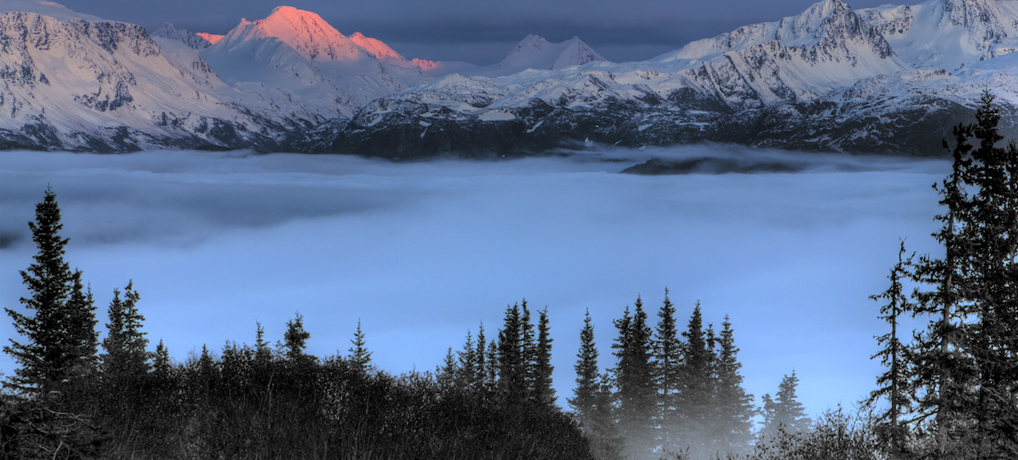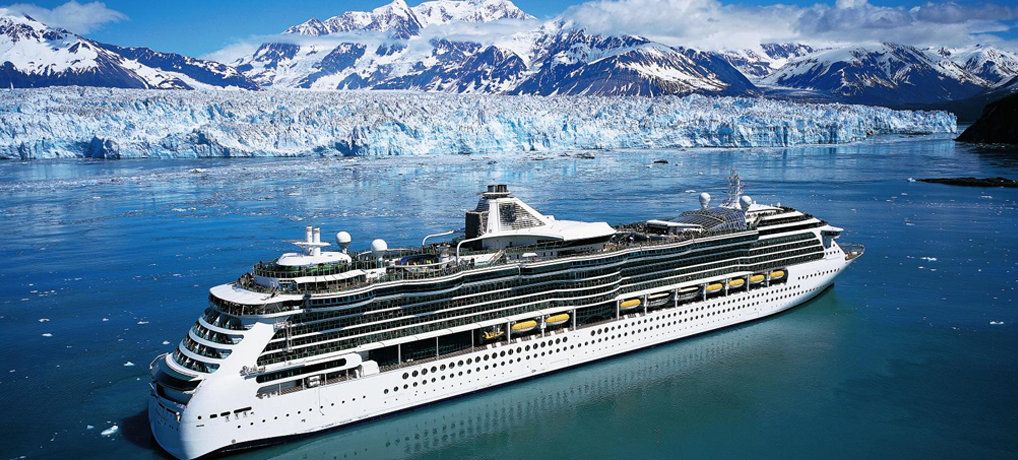
Alaska’s size and extreme seasonal swings mean the “best” time to visit really depends on what you want to do. A trip built around wildlife and glaciers looks very different from one built around the Northern Lights.
Summer (May to September): Peak Season
Most visitors come during summer, when the days are longest and nearly all park roads, tour operators, and cruise lines are running full schedules. Daylight is dramatic: Anchorage gets close to 19 hours of daylight around the summer solstice in June, and areas north of the Arctic Circle see continuous daylight for weeks. This is the best window for wildlife viewing, hiking, glacier tours, and the Alaska cruise season, which runs almost entirely within these months. It’s also the most crowded and most expensive time to visit, so book lodging, tours, and rental cars well in advance. Always check current park road and trail conditions before you go, since access can change from year to year.
Shoulder Season (April and late September to October)
The weeks just before and after summer offer a middle ground: smaller crowds, lower prices, and, in September, the added bonus of fall color in the tundra and birch forests. The trade-off is that some tour operators, park facilities, and the Alaska Marine Highway ferry schedule scale back or close for the season, so it’s worth confirming availability directly before booking.
Winter (November to March): Aurora and Snow
Winter is the best time to see the Northern Lights, with Fairbanks and the Interior offering the most reliable viewing. It’s also the season for dog sledding, skiing at resorts like Alyeska, and events such as the Iditarod. Many summer-only roads, park shuttles, and tour operations close for the winter, and interior temperatures regularly drop well below freezing, so winter travel takes more planning and warmer gear than a summer trip.
Which Season Fits Your Trip
If wildlife, glaciers, and hiking are the priority, aim for June through August. If a small-ship or large cruise is part of the plan, stick to May through September, when the cruise season operates. If the Northern Lights are the main goal, target September through March, with the equinox months of September and March often giving a reasonable balance of aurora activity and milder temperatures compared to the depths of winter.