Alaska is enormous — over 663,000 square miles, more than twice the size of Texas — and its regions differ enough that “visiting Alaska” can mean very different trips depending on where you go and when. Here’s a quick orientation to help you figure out which part of the state fits what you’re looking for.
Southeast Alaska (the Inside Passage)
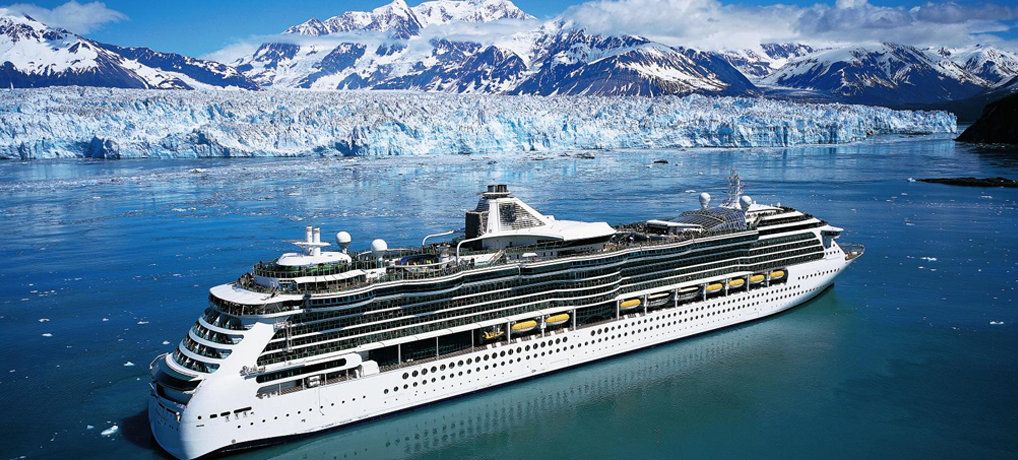
This is the panhandle: Juneau, Ketchikan, Sitka, Skagway, and the glaciers of Glacier Bay and Tracy Arm. It’s rainforest, not tundra, and it’s where almost all Alaska cruises operate. No roads connect these towns to each other or the rest of the state, so most people see this region either by cruise ship or ferry. Good fit if you want glaciers, fjords, and Tlingit and Haida culture without a lot of independent driving logistics.
South-Central Alaska
Anchorage, the Kenai Peninsula (Seward, Homer), and Prince William Sound (Valdez, Whittier) fall here, along with the Chugach Mountains. This region has the most road access of anywhere in the state, making it the easiest to explore independently by car, with day trips to national parks, glaciers, and fishing towns all within a few hours of Anchorage.
Interior Alaska
Centered on Fairbanks and Denali National Park, the interior has a more continental climate: colder winters, hotter summers, and the best odds for aurora viewing thanks to clear, dark winter skies away from coastal cloud cover. This is also the gateway to the Dalton Highway and the Arctic.
The Arctic and Bush Alaska
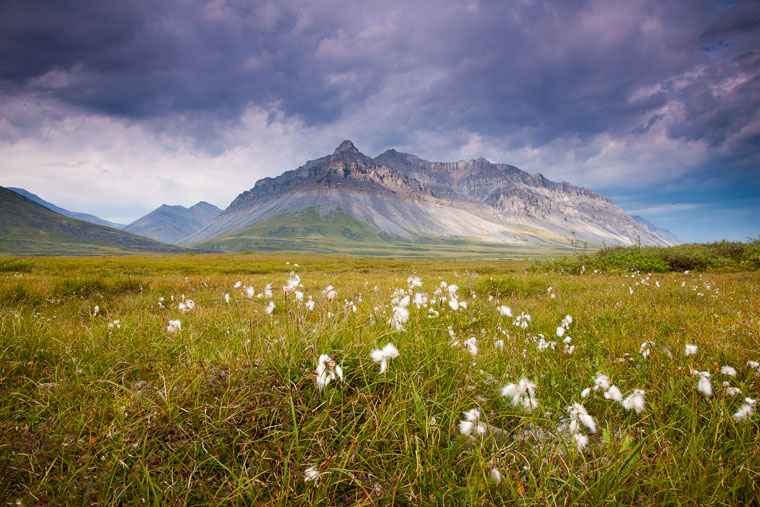
The remote north and west — villages like Utqiagvik, Nome, and Anaktuvuk Pass — have no road access at all and are reached by small plane. This is the least-visited and most logistically demanding region, best suited to travelers with a specific reason to go (culture, birding, extreme remoteness) rather than a first Alaska trip.
Picking a Region for Your Trip
Most first-time visitors either take a southeast Alaska cruise, base themselves in south-central Alaska for a road-trip-style visit, or combine a few days in Anchorage/Kenai with a few days in Denali and Fairbanks. Trying to cover all four regions in one trip usually means a lot of flights and little time in any one place, so it’s worth picking a focus rather than attempting to see everything at once.