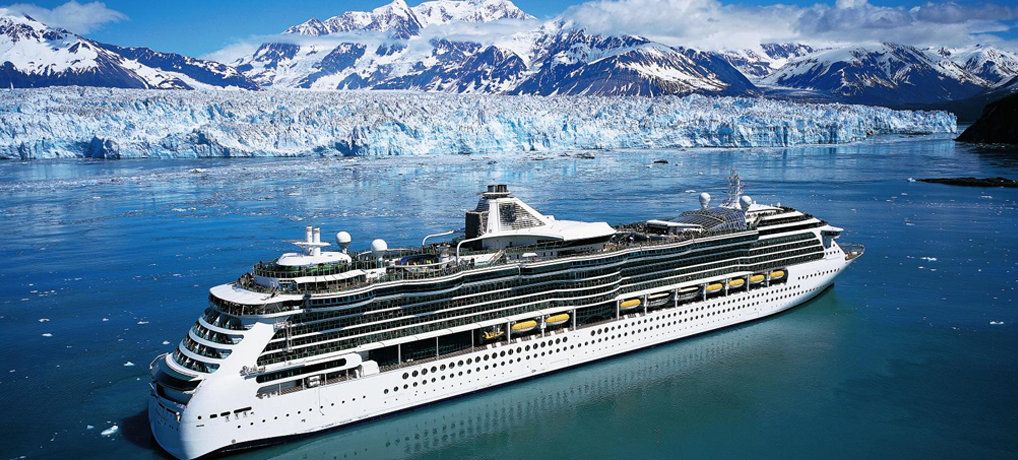
Alaska’s icebergs form when glaciers reach the sea or a lake and calve, breaking off chunks of ice that can range from small floating fragments to house-sized blocks. Seeing them up close is one of the state’s signature experiences, and a few spots make it especially easy.
Where to See Icebergs
Glacier Bay National Park, reachable by cruise ship or by flying into Gustavus, has some of the most reliable iceberg viewing as tidewater glaciers calve directly into the bay. Prince William Sound, near Valdez and Whittier, is another strong option, with boat tours to the Columbia Glacier, one of the fastest-moving and most actively calving glaciers in Alaska. Closer to Anchorage, Portage Glacier and Portage Lake (about an hour southeast of the city) offer iceberg viewing without a long boat trip, via a short cruise or lakeside trail. Tracy Arm Fjord, a popular day trip from Juneau, also fills with ice from the Sawyer Glaciers.
Safety Notes
Icebergs are unpredictable: most of their mass sits underwater, they can roll or fracture without warning, and calving events send out powerful waves. Tour operators keep a safe distance for this reason, and independent boaters or kayakers should do the same, staying well back from glacier faces and floating ice.
Best Time to Go
Glacier and iceberg tours in Prince William Sound, Glacier Bay, and Tracy Arm generally run from May through September. Portage Glacier’s boat tours and visitor center also operate on a similar summer schedule, with more limited access in winter.