February 2014

Alaska Northern Lights

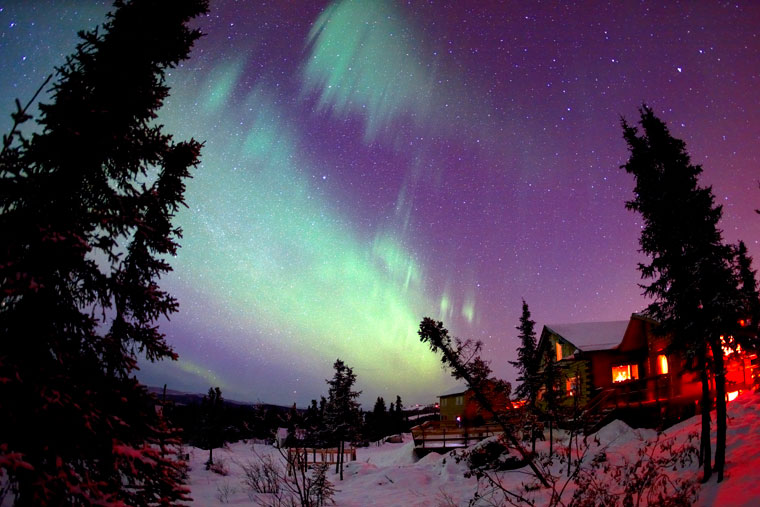
Alaska Northern Lights During Winter

Alaska is one of the most reliable places in the world to see the Aurora Borealis, or Northern Lights, thanks to its position directly beneath the auroral oval, a ring-shaped zone of high geomagnetic activity that circles the far north. How the Northern Lights Work The aurora is caused by charged particles from the sun […]
Iceburg

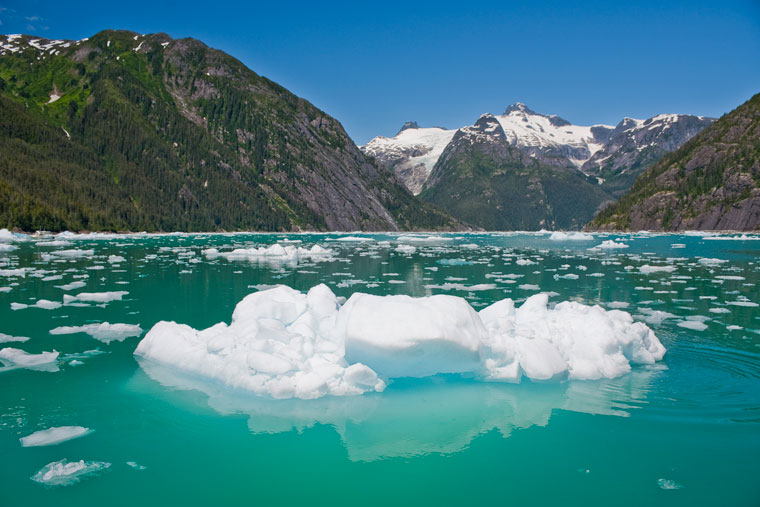
Iceberg

Alaska’s icebergs form when glaciers reach the sea or a lake and calve, breaking off chunks of ice that can range from small floating fragments to house-sized blocks. Seeing them up close is one of the state’s signature experiences, and a few spots make it especially easy. Where to See Icebergs Glacier Bay National Park,

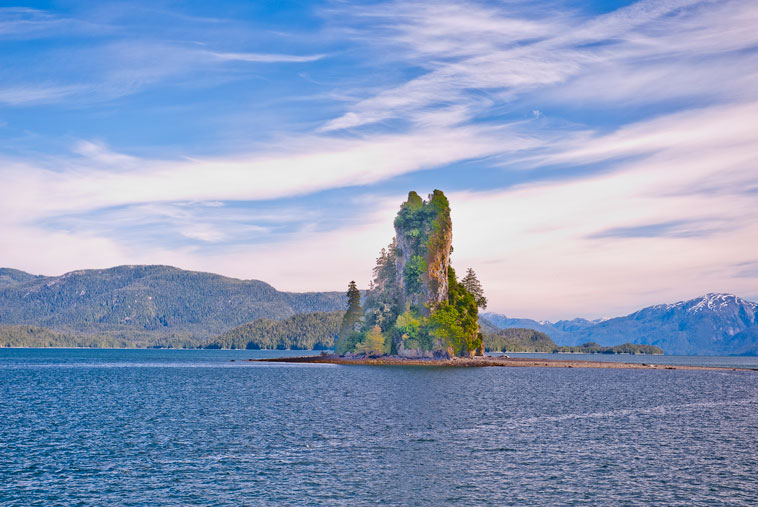
Misty Fiords

Misty Fiords

Misty Fiords National Monument covers over 2 million acres of steep granite cliffs, waterfalls, and deep fjords in the Tongass National Forest, near Ketchikan in far southeast Alaska. Much of it looks like a smaller-scale Yosemite dropped into a rainforest and flooded with seawater. Getting There There’s no road access. Nearly all visitors go from

Chugach Mountains

Chugach Mountains

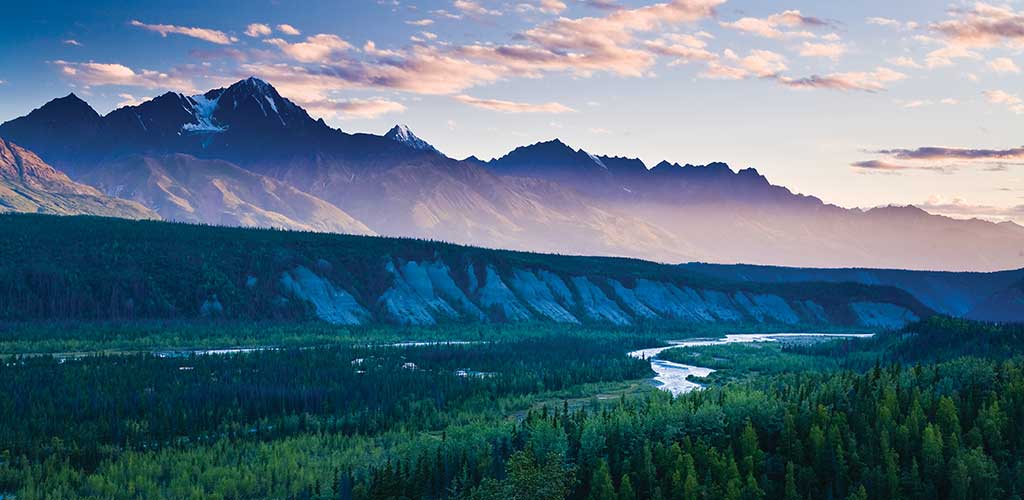
The Chugach Mountains stretch roughly 250 miles across south-central Alaska, forming the rugged backdrop immediately east of Anchorage. Unlike Alaska’s more remote ranges, a large chunk of the Chugach is genuinely easy to reach for a day trip or afternoon hike. Getting There Chugach State Park, one of the largest state parks in the U.S.

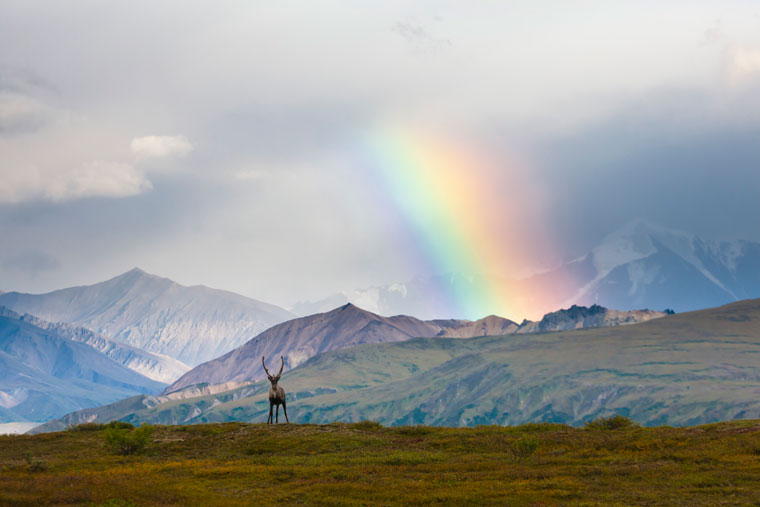
Caribou

Sun Halos and Sun Dogs in Alaska

Alaska’s extreme cold and long hours of low winter sun make it one of the best places in the country to see a family of atmospheric optical effects known as ice halos, including sun dogs, the 22-degree halo, and light pillars. These displays are sometimes described locally with informal nicknames, but they are well-documented, real

Scroll to Top